Understanding Fire Resistance vs. Flame Retardant
Fire resistance and flame retardant are terms often used interchangeably, but they represent fundamentally different approaches to fire safety. Understanding this distinction is critical for architects, engineers, manufacturers, and safety professionals when selecting materials for construction, manufacturing, and product development.
What Is Fire Resistance?
Fire-resistant materials are inherently designed to withstand high temperatures without catching fire easily. These materials are manufactured from naturally fireproof compounds such as mica, ceramic, fiberglass, or specialized fire-resistant formulations. Even when exposed to extreme heat, fire-resistant materials do not melt or drip, making them reliable for long-term fire protection.
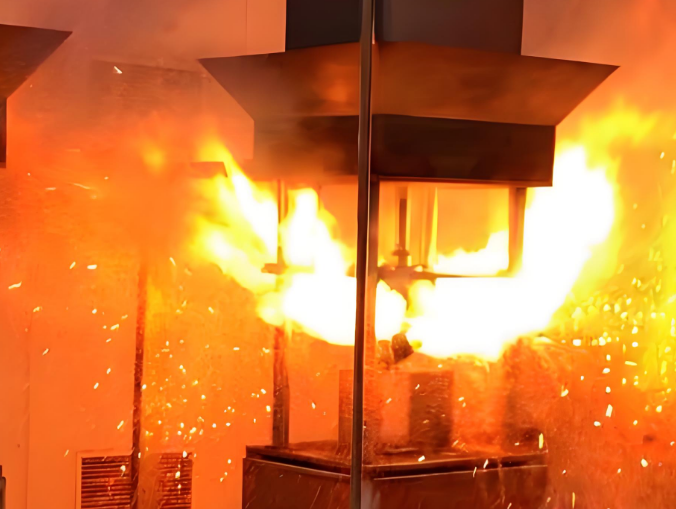
Key characteristics of fire-resistant materials:
-
Made from inherently nonflammable materials
-
Do not contribute to flame spread
-
Maintain structural integrity under fire conditions
-
Continue functioning even when exposed to fire
-
Do not melt or drip when heated
Fire-resistant cables, for example, are tested under IEC 60331, ensuring they maintain circuit integrity in fire conditions. These materials are essential for critical systems such as emergency lighting, fire alarms, and communication networks that must operate during fire emergencies.
What Is Flame Retardant?
Flame-retardant materials are made from standard materials that have been chemically treated to slow down ignition and suppress flame spread. These materials are designed to self-extinguish once the ignition source is removed, which helps contain fire in a specific area for a limited time.
Key characteristics of flame-retardant materials:
-
Made from standard materials with chemical treatments
-
Slow down ignition and flame spread
-
Self-extinguish when ignition source is removed
-
May still burn but prevent rapid flame propagation
-
Provide evacuation time by delaying fire spread
Flame-retardant cables follow IEC 60332, which tests for flame spread prevention. They are classified based on fire resistance duration: PH30, PH60, and PH120, indicating their ability to maintain circuit integrity for 30, 60, and 120 minutes respectively.
Major Fire Testing Standards
NFPA 701: Fire Tests for Flame Propagation of Textiles and Films
NFPA 701 is the primary fire retardancy standard required for textiles used in public spaces such as schools, churches, auditoriums, theaters, and commercial buildings. This standard is specifically designed for textiles that hang freely, such as roller shades, curtains, and draperies.
Test Method:
-
Ten individual samples of specified size are exposed to a flame for 45 seconds
-
Performance is based on percentage weight loss and residual flame
-
Total weight loss cannot exceed 40%
-
Residual flame cannot exceed an average of 2 seconds
The standard includes two test methods:
-
Test Method 1: Small-scale testing for textiles weighing less than 21 oz/yd²
-
Test Method 2: Large-scale testing for heavier textiles
ASTM E84: Surface Burning Characteristics of Building Materials
ASTM E84 (also known as UL 723) measures the surface burning characteristics of materials under fire conditions. This test evaluates flame spread and smoke development, assigning classifications based on performance.
Classification Criteria:
|
Classification |
Flame Spread Index |
Smoke Development |
|---|---|---|
|
Class A |
0-25 |
0-450 |
|
Class B |
26-75 |
0-450 |
|
Class C |
76-200 |
0-450 |
Class A represents the best fire performance. This test is applicable to exposed surfaces such as walls and ceilings, including wall coverings, ceiling panels, and fixed partitions.
UL 94: Plastics Flammability Standard
UL 94, developed by Underwriters Laboratories, is the primary standard for evaluating plastic material flammability. It measures how plastics react to open flame, including ignition time, self-extinguishing behavior, and whether flaming drips ignite secondary materials.
UL 94 Rating Classifications:
|
Rating |
Description |
Criteria |
|---|---|---|
|
HB |
Slow burning |
Horizontal part, burning rate < specified limits |
|
V-2 |
Vertical burn |
Stops within 30 seconds, allows flaming drips |
|
V-1 |
Vertical burn |
Stops within 30 seconds, no flaming drips |
|
V-0 |
Vertical burn |
Stops within 10 seconds, no flaming drips |
|
5VB |
Vertical burn |
Stops within 60 seconds, may have burn-through |
|
5VA |
Vertical burn |
Stops within 60 seconds, no burn-through (highest rating) |
Critical Factors:
-
UL 94 ratings are thickness-dependent
-
A material passing at 1.5mm may fail at 0.74mm
-
Formulation changes (including colorants) can void certification
-
Always verify the UL Yellow Card covers your required thickness range
IMO 2010 FTP: International Maritime Organization Fire Test Procedures
The IMO FTP Code specifies fire testing standards for materials used in international shipping vessels. For drapery products, the performance criteria include:
-
After flame must not exceed 5 seconds
-
Average char length must not exceed 150 mm
-
Flame source must not burn through to the material edge
ASTM E136: Combustibility Assessment at 750°C
This standard tests non-combustibility of construction materials using a vertical tube furnace. It's required by the International Building Code for exterior construction materials. Materials passing this test are classified as non-combustible.
European Fire Classification: EN 13501-1
The EN 13501-1 standard is the primary European classification system for construction products' reaction-to-fire characteristics. This comprehensive system categorizes materials into seven main classes, with additional classifications for smoke production and flaming droplets.
Product Categories
EN 13501-1 divides construction products into three categories:
-
Construction products excluding floorings: Classes A1, A2, B, C, D, E, F
-
Floorings: Classes A1fl, A2fl, Bfl, Cfl, Dfl, Efl, Ffl
-
Linear pipe thermal insulation: Classes A1L, A2L, BL, CL, DL, EL, FL
Euroclass Performance Criteria
Class A1, A1fl, A1L: Non-Combustible
Materials in Class A1 are considered non-combustible and do not contribute to fire spread. Requirements:
-
EN ISO 1182: Temperature rise ≤ 30°C, mass loss ≤ 50%, no sustained flaming
-
EN ISO 1716: Gross calorific potential ≤ 2.0 MJ/kg
Materials automatically classified as A1 without testing include mineral wool, cement, glass, ceramics, and products with < 1% organic material content.
Class A2, A2fl, A2L: Limited Combustibility
These materials have very limited combustibility and do not accelerate fire spread. Requirements:
-
EN ISO 1182: Temperature rise ≤ 50°C, mass loss ≤ 50%, flaming ≤ 20 seconds, OR
-
EN ISO 1716: Gross calorific potential ≤ 3.0 MJ/kg
-
EN 13823: Fire growth rate ≤ 120 W/s, lateral flame spread < edge, total heat release ≤ 7.5 MJ
Class B, Bfl, BL: Very Limited Contribution to Fire
Combustible materials with very limited fire contribution. Requirements:
-
EN 13823: Fire growth rate ≤ 120 W/s, total heat release ≤ 7.5 MJ
-
EN ISO 11925-2: Flame spread ≤ 150 mm within 60 seconds
Class C, Cfl, CL: Limited Contribution to Fire
Materials with limited fire contribution. Requirements:
-
EN 13823: Fire growth rate ≤ 250 W/s, total heat release ≤ 15 MJ
-
EN ISO 11925-2: Flame spread ≤ 150 mm within 60 seconds
Class D, Dfl, DL: Medium Contribution to Fire
Materials with medium fire contribution. Requirements:
-
EN 13823: Fire growth rate ≤ 750 W/s
-
EN ISO 11925-2: Flame spread ≤ 150 mm within 60 seconds
Class E, Efl, EL: Limited Fire Resistance
Materials with limited fire resistance. Requirements:
-
EN ISO 11925-2: Flame spread ≤ 150 mm within 20 seconds
Class F, Ffl, FL: Easily Flammable
Materials that do not meet Class E criteria. Considered easily flammable and unsuitable for environments requiring fire resistance.
Additional Classifications: Smoke and Flaming Droplets
Smoke Production Classes
For construction products (excluding flooring):
-
s1: Smoke growth rate ≤ 30 m²/s², total smoke ≤ 50 m²
-
s2: Smoke growth rate ≤ 180 m²/s², total smoke ≤ 200 m²
-
s3: Does not meet s1 or s2 criteria
Flaming Droplets Classes
-
d0: No flaming particles within 600 seconds
-
d1: No flaming particles persisting > 10 seconds within 600 seconds
-
d2: Does not meet d0 or d1 criteria
Regional Fire Testing Standards
North American Standards
California Title 19
California requires stricter flammability requirements than NFPA 701. Performance criteria:
-
Char length does not exceed 6 inches for any specimen
-
No after flame for more than 4 seconds
FMVSS 302: Federal Motor Vehicle Safety Standard
Required for interior materials in cars, trucks, buses, and recreational vehicles. The fabric cannot burn at a rate exceeding 4 inches per minute.
CAN/CGSB-4.162-M80: Canadian Hospital Textiles
Tests flammability of textiles used in healthcare facilities. Criteria:
-
Average after flame does not exceed 2 seconds
-
Maximum average char length determined by fabric weight
CAN/ULC-S109-03: Canadian Flame-Resistant Fabrics
Similar to NFPA 701, this vertical flame test combines criteria from NFPA 701 and California Title 19:
-
Residual flame cannot exceed 2 seconds
-
Char length cannot exceed 250 mm
European National Standards
French Standard NFP 92-503 (M1-M4 Classification)
One of the strictest FR standards globally. Classification criteria:
|
Classification |
Combustion Duration |
Char Length |
Droplets |
|---|---|---|---|
|
M0 |
Fireproof |
None |
None |
|
M1 |
≤ 5 seconds |
< 250 mm |
None |
|
M2 |
> 5 seconds |
< 350 mm |
None |
|
M3 |
> 5 seconds |
< 600 mm |
None |
|
M4 |
> 5 seconds |
< 600 mm |
Yes |
M1 or higher is typically required for window shade fabric in France.
German Standard DIN 4102 (B1 Classification)
The most stringent flammability standard for upholstery fabrics in Germany. For B1 classification:
-
Residual length must measure minimum 150 mm
-
Smoke temperature cannot exceed 200°C
British Standard BS5867 Part 2 (Type B)
The predominant FR standard for drapery in Great Britain. Type B performance criteria:
-
Fabric must not burn through to frame edges
-
No presence of burning droplets
Fire Testing for Specific Applications
Building and Construction Materials
The International Building Code (IBC) and NFPA 101 Life Safety Code specify fire testing requirements for building materials. Key sections include:
IBC 806.1: Decorative materials and trim must meet NFPA 701 IBC 803.1.1: Interior wall and ceiling finishes must meet ASTM E84 NFPA 101 Section 10.3.1: Draperies and hanging furnishings require NFPA 701
Fire-Retardant-Treated Wood
Fire-retardant-treated wood must undergo rigorous testing:
Required Tests:
-
ASTM E84/UL 723: Flame spread index ≤ 25, no progressive combustion
-
ASTM E119: Structural integrity duration evaluation
-
ASTM D3201: Hygroscopicity at 90% relative humidity
-
ASTM D5664/D5616: Strength adjustments for lumber and plywood
Exterior Exposure Tests:
-
ASTM D2898: Accelerated weathering (800-inch rain test)
Plastics and Polymers
UL 94 rated materials are essential for:
-
Automotive under-hood components
-
Electrical enclosures and switch housings
-
Medical device housings
-
Telecom hardware and connectors
-
Industrial cable guides
Critical Considerations:
-
Wall thickness affects rating
-
Formulation changes require retesting
-
Colorants and additives can void certification
-
Always verify Yellow Card coverage
Testing Procedures and Equipment
Small-Scale Testing
2-Foot Tunnel Method (ASTM D3801): Used for screening fire-retardant coatings during development. Provides relative flame spread comparison but does not directly correlate with ASTM E84 results.
Large-Scale Testing
ASTM E84 Tunnel Test: Measures flame spread and smoke development over a 25-foot tunnel. Materials are exposed to controlled flame source, and flame propagation is measured against reference materials.
Single Burning Item Test (EN 13823): European standard test evaluating fire growth rate, lateral flame spread, and total heat release. Used for A2, B, C, and D classifications.
Ignitability Testing
EN ISO 11925-2: Tests ignitability with small flame exposure. Measures flame spread within specified time periods. Required for B, C, D, and E classifications.
Non-Combustibility Testing
EN ISO 1182: Places specimen in furnace at 750°C to measure temperature rise, mass loss, and sustained flaming. Used for A1 and A2 classifications.
Compliance and Certification
CE Marking (European Union)
The Construction Products Regulation (CPR) requires manufacturers to:
-
Provide declaration of performance
-
Affix CE marking to construction products
-
Meet harmonized standard specifications for fire safety
ICC-ES Evaluation Reports
Fire retardants are proprietary formulations approved through International Code Council Evaluation Service reports. These reports indicate:
-
Acceptance criteria used
-
Proper application methods
-
Design value adjustments
UL Certification
Underwriters Laboratories provides:
-
FR-S rating for fire-retardant lumber (flame spread ≤ 25)
-
Yellow Cards for plastic materials
-
Ongoing inspection and quality control
AWPA Standards
American Wood Protection Association standards define:
-
General requirements for fire retardants (U1, Specification H)
-
Water repellent determination (E13)
-
Quality control procedures
Environmental and Health Considerations
PFAS Concerns
Per- and poly-fluoroalkyl substances (PFAS) have been used in flame-retardant additives for their thermal and chemical resistance. However, regulatory pressure is increasing due to:
-
Environmental persistence
-
Potential health risks
-
Bioaccumulation concerns
Many manufacturers are moving toward PFAS-free alternatives.
Halogenated vs. Non-Halogenated Flame Retardants
Halogenated additives:
-
Effective fire suppression
-
Difficult to separate during recycling
-
May release toxic compounds if incinerated
Non-halogenated alternatives:
-
Growing market demand
-
Reduced environmental footprint
-
Similar fire performance
-
Better end-of-life handling
Selecting the Right Fire Protection Strategy
Application-Based Selection
Long-term protection and operational continuity: Choose fire-resistant materials. They withstand flames and ensure critical systems function during fire.
Short-term containment and evacuation time: Choose flame-retardant materials. They slow fire spread and provide escape time.
Regulatory Requirements
Consider:
-
International Building Code requirements
-
NFPA 101 Life Safety Code
-
Local jurisdiction regulations
-
Industry-specific standards (automotive, maritime, medical)
Material Performance Factors
Evaluate:
-
Duration of fire exposure expected
-
Temperature ranges
-
Structural requirements during fire
-
Smoke production limits
-
Environmental conditions (humidity, UV exposure)
Common Testing Mistakes to Avoid
1. Confusing Building Codes with Test Standards
NFPA 101 and IBC are building codes that specify which test standards apply—not test standards themselves. A "NFPA 101 Class A" rating actually refers to ASTM E84 test results required by NFPA 101.
2. Ignoring Thickness Dependencies
UL 94 ratings vary with material thickness. Always verify certification covers your specific wall thickness requirements.
3. Overlooking Formulation Changes
Colorants, additives, and blend modifications can void fire ratings. Retest after any formulation change.
4. Neglecting environmental testing
Materials used outdoors require accelerated weathering tests (ASTM D2898) in addition to fire testing.
5. Assuming Global Equivalence
Fire standards vary by region. A material meeting US standards may not satisfy European or Asian requirements without additional testing.
Future Trends in Fire Testing
Advanced Testing Methods
-
Computational fire modeling integration
-
Real-time fire performance monitoring
-
Multi-hazard testing (fire + seismic + impact)
-
Artificial intelligence for fire behavior prediction
Sustainable Fire Protection
-
Bio-based flame retardants
-
Nanocomposite fire protection
-
Intumescent coating innovations
-
Circular economy considerations for fire-treated materials
Regulatory Evolution
-
Stricter smoke and toxicity requirements
-
Performance-based building codes
-
Climate resilience integration
-
International harmonization efforts
Conclusion
Fire resistance and flame retardant testing are fundamental to protecting lives and property. Understanding the distinction between inherently fire-resistant materials and chemically-treated flame-retardant materials enables informed decisions for specific applications.
From NFPA 701 for textiles to UL 94 for plastics, from EN 13501-1 European classifications to regional standards like California Title 19 and French M-classifications, the fire testing landscape provides comprehensive frameworks for evaluating material safety.
Compliance requires navigating building codes (IBC, NFPA 101), test standards (ASTM E84, UL 94, EN 13823), and certification systems (CE marking, ICC-ES reports, UL Yellow Cards). Success depends on understanding which standards apply to your application, verifying material certifications for specific conditions, and staying current with evolving regulations and environmental considerations.
As fire safety requirements become more stringent and sustainability concerns grow, the industry continues developing advanced testing methods and environmentally responsible fire protection solutions. Whether designing buildings, manufacturing products, or specifying materials, thorough understanding of fire testing standards ensures safety, compliance, and performance.
Frequently Asked Questions
Q1: What is the difference between fire-resistant and flame-retardant?
Fire-resistant materials are inherently nonflammable and made from materials like ceramic or fiberglass. Flame-retardant materials are standard materials chemically treated to slow ignition and flame spread. Fire-resistant materials maintain integrity under fire; flame-retardant materials self-extinguish after ignition source removal.
Q2: What does Class A fire rating mean?
Class A is the highest fire rating under ASTM E84, indicating flame spread index of 0-25 and smoke development of 0-450. Materials with Class A rating have the best fire performance for surface burning characteristics.
Q3: Is UL 94 V-0 better than V-2?
Yes. UL 94 V-0 is superior to V-2. V-0 materials stop burning within 10 seconds without flaming drips, while V-2 materials may burn for up to 30 seconds and allow flaming drips that could ignite secondary materials.
Q4: What is the EN 13501-1 classification system?
EN 13501-1 is the European standard for classifying construction products' reaction-to-fire characteristics. It uses seven main classes (A1 through F) with additional classifications for smoke production (s1, s2, s3) and flaming droplets (d0, d1, d2).
Q5: Do fire ratings expire?
Fire ratings don't expire, but material properties can degrade over time. Fire-retardant treatments may leach out with weathering or washing. Periodic retesting may be required for critical applications or aged materials.
Q6: Can a material have different fire ratings?
Yes. The same material can have different ratings depending on thickness, formulation, and test standard. Always verify the specific rating for your exact material specification and application requirements.
Q7: What tests are required for fire-retardant wood?
Fire-retardant-treated wood must pass ASTM E84 (flame spread), ASTM E119 (structural integrity), ASTM D3201 (hygroscopicity), and strength adjustment tests (ASTM D5664/D5616). Exterior applications require additional weathering tests (ASTM D2898).
Q8: How do I know if a plastic material is properly certified?
Request the UL Yellow Card from the material supplier. This certification document confirms the material has undergone safety and performance testing. Verify it covers your required thickness range and specific formulation including any colorants or additives.