When a jar of honey lands on a store shelf, it carries a quiet promise: that the golden liquid inside came from bees, not from a factory, and that every spoonful is what the label claims. Keeping that promise takes a list of test items that starts at the hive and doesn't end until the product is sealed and shipped. Honey, propolis, royal jelly, and bee pollen each bring their own chemistry to the lab, and each one hides its own potential deceptions. What gets tested, and in what order, tells you what's actually in the jar.
Honey Authenticity: The Fight Against Sugar Syrups
Moisture and Refractive Index
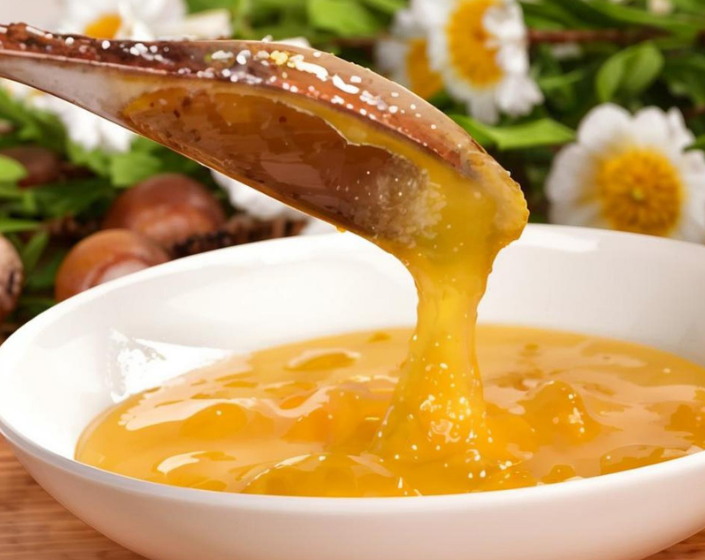
Too much water and honey ferments. Too little, and it's probably been heated or adulterated. The moisture content, measured by refractometer, is the first gate. Genuine honey sits below about twenty percent moisture. A batch that comes in at sixteen percent might have been overheated to mask dilution or to keep it from crystallizing too fast. The test item is simple: a drop on the prism, a reading in seconds, but the number alone doesn't settle the argument. It's the trend across an entire harvest that tells you if a beekeeper pulled frames too early or dried the honey artificially.
Sugar Profile and C4 Plant Sugar Detection
Honey is mostly fructose and glucose, with a little sucrose and a complex tail of oligosaccharides. A sugar profile that looks too simple—mostly sucrose, for instance—screams adulteration with cane or beet sugar. The definitive test item for high-fructose corn syrup and other cheap extenders is the carbon isotope ratio. C4 plants like corn and sugar cane have a different carbon-13 signature than the C3 plants bees typically forage on. The lab measures the δ¹³C value of the honey and compares it to the δ¹³C of the protein extracted from the same sample. If the difference between them exceeds a threshold, C4 sugars have been added. This test item has caught more honey fraud than any other single method.
Foreign Enzymes and Diastase Activity
Bees add diastase and invertase to nectar. Heating destroys them. Adulterated honey often has starch-based syrups that can be detected by a foreign enzyme screen—looking for amylases and other industrial enzymes that bees never produce. Diastase activity itself is a classic quality item: honey is incubated with a starch solution, and the time it takes to break down the starch is measured. Low diastase means the honey was overheated, stored too long, or isn't honey at all. This number, alongside the hydroxymethylfurfural content, paints a thermal history of the product.
Hydroxymethylfurfural and Heating History
Hydroxymethylfurfural, or HMF, forms when sugars and acids meet heat and time. Fresh, untreated honey has HMF below ten or fifteen milligrams per kilogram. A sample with HMF over forty has been cooked or has been sitting in a hot warehouse for months. This test item is run on every batch, and it's particularly sensitive in tropical honeys that can degrade faster. A high HMF honey might still be safe, but it can't be called fresh or premium, and in many markets it's illegal to sell.
Botanical and Geographical Origin: What the Pollen Says
Pollen Analysis and Melissopalynology
Under a microscope, a drop of honey reveals a map of the plants the bees visited. Pollen grains are identified and counted. A honey labeled as monofloral—clover, manuka, acacia—must contain a minimum percentage of that specific pollen, typically forty-five percent or more. The test item is a semi-quantitative count: the analyst scans multiple slides, identifies the major pollen types, and reports the percentage. A sample that claims to be orange blossom but shows mostly eucalyptus pollen is mislabeled. This item is labor-intensive and requires a trained palynologist, but it's the only way to verify a floral claim.
Electrical Conductivity and Mineral Fingerprinting
Nectar carries the minerals of the soil it grew in. Honeydew honeys from forests have high conductivity; light floral honeys have low. Electrical conductivity is a quick screening item that separates blossom honey from honeydew honey, and it's also used to predict ash content. Multi-element profiling by inductively coupled plasma mass spectrometry goes further, providing a mineral fingerprint that can tie a honey to a specific region. The ratio of potassium to sodium, the presence of rare earth elements, and the overall mineral pattern are checked against reference databases for the claimed origin. A honey labeled as coming from a pristine mountain area that shows elevated lead or cadmium levels is flagged immediately.
Veterinary Residues: What the Bees Were Treated With
Antibiotic and Acaricide Screening
Beekeepers treat colonies for varroa mites and foulbrood, and those treatments leave residues. The test items cover tetracyclines, sulfonamides, macrolides, and aminoglycosides in honey, and a broader panel of acaricides like amitraz, coumaphos, and fluvalinate. A multi-residue screen by liquid chromatography-tandem mass spectrometry catches most veterinary drugs in a single run. The limits are extremely low—parts per billion—and a single positive can shut down a shipment. For royal jelly and bee pollen, the residue profile is run separately because the matrix is richer in proteins and lipids, which require different clean-up.
Nicotine and Neonicotinoid Testing
The same neonicotinoid insecticides that are used on crops can end up in the nectar and then in the honey. Clothianidin, imidacloprid, thiamethoxam, and their metabolites are tested at trace levels. The public concern over bee health has made this a sensitive item, and many buyers now require a neonicotinoid-free certificate. The test method is similar to pesticide residue analysis in other foods, but the low limits and the sticky nature of the compounds make it a specialized run.
Propolis and Its Unique Check Items
Balsam Content and Total Flavonoid Assay
Propolis is a resinous mixture bees collect from tree buds. Its quality is defined by the balsam content—the ethanol-soluble fraction rich in bioactive compounds. The test item is a gravimetric measurement: the propolis is extracted with ethanol, dried, and weighed. Total flavonoid and total phenolic assays, usually by spectrophotometry, provide a measure of antioxidant potency. A propolis tincture that claims high potency but shows low balsam and flavonoid content is diluted or made from spent resin.
Marker Compound Profiling
Caffeic acid phenethyl ester, chrysin, galangin, and pinocembrin are chemical markers that confirm the botanical source of propolis. Poplar-type propolis from temperate zones has one profile; green propolis from Brazil has another, rich in artepillin C. The test item is a chromatographic fingerprint checked against a reference for the claimed type. A sample that claims to be green propolis but lacks artepillin C is either the wrong type or adulterated.
Royal Jelly: Freshness and Purity
10-Hydroxy-2-Decenoic Acid Content
Royal jelly's signature marker is 10-hydroxy-2-decenoic acid, or 10-HDA. Fresh royal jelly must contain at least 1.4 to 1.8 percent 10-HDA, depending on the grade. The test is done by high-performance liquid chromatography, and the result is the primary quality indicator. A low 10-HDA level means the product is old, poorly stored, or diluted. This compound degrades with heat, so it also serves as an indirect freshness check.
Moisture, Acidity, and Water-Soluble Proteins
Royal jelly is more than sixty percent water. The moisture content is measured by Karl Fischer titration or oven drying, and it must stay within a narrow range. Acidity, measured by titration, reflects freshness; as royal jelly ages, its pH drops and its titratable acidity climbs. Water-soluble protein content, often determined by the Bradford method, is another freshness marker that drops over time. These three items together tell you whether the royal jelly was properly frozen or freeze-dried immediately after harvest.
Bee Pollen and Bee Bread: Nutritional and Safety Items
Moisture and Water Activity
Fresh bee pollen spoils fast. Moisture above six to eight percent allows moulds to grow, so drying is essential. The moisture test is done by oven drying or infrared balance, and water activity is checked separately to predict microbial stability. Pollen that has been dried at too high a temperature will also show enzyme inactivation, so the catalase or peroxidase activity is sometimes measured as a complementary item.
Microbial Load and Mycotoxin Screening
Pollen grains are exposed to the environment, so a total aerobic plate count, yeast and mould count, and coliform screen are standard. Because pollen can sit in the hive for days, the risk of aflatoxins and ochratoxin A from storage moulds is real, and these are tested by immunoaffinity cleanup and liquid chromatography. A batch with high mould counts and detectable mycotoxins is rejected for human consumption and may only be used for animal feed under strict limits.
Common Safety Items Across All Bee Products
Heavy Metals Scan
Lead, cadmium, arsenic, and mercury accumulate in the environment, and bees pick them up. Honey from industrial areas or near busy roads can show elevated levels. Propolis, being a resin, can concentrate heavy metals from tree bark. The test item is an inductively coupled plasma mass spectrometry scan across a panel of metals. The limits are set per product type and per market, and a single exceedance requires an investigation back to the apiary location.
Pyrrolizidine Alkaloids
These naturally occurring plant toxins, found in weeds like ragwort and borage, can contaminate honey and pollen when bees forage on those plants. The test item is a liquid chromatography-mass spectrometry screen for a panel of pyrrolizidine alkaloids. The limits are very low, driven by toxicological concerns, and some markets have imposed strict maximum levels. Testing for these alkaloids has become a routine part of the export certification process for honey and pollen.
Microbiological Pathogen Screening
Honey is naturally antimicrobial, but it can still carry Clostridium botulinum spores, which are dangerous for infants. While not tested in every batch, a periodic check for spores is part of due diligence. For royal jelly and fresh pollen, the pathogen screen also includes Salmonella and Listeria monocytogenes because these products are consumed raw and require refrigeration.
Packaging and Shelf-Life Integrity
Migration from Packaging Materials
Honey is acidic and can leach compounds from plastic containers and metal lids. The test item checks for bisphenol A, phthalates, and total migration under conditions that simulate long-term storage. Glass jars are tested for lead and cadmium release from the glass and the lid lining. A product that passes the honey quality tests but fails the packaging migration test is still a failed lot.
Stability and Crystallization Behavior
Honey naturally crystallizes over time. The texture and crystal size can make or break consumer acceptance. A shelf-life test item is the controlled storage of samples at different temperatures, with periodic checks for texture, spreadability, and the absence of fermentation. For creamed honey, the crystal size distribution is measured by microscopy to ensure a smooth mouthfeel.
The test items for bee products read like a detective story. The sugar ratios and the pollen grains tell you where the bees really went. The HMF and the diastase tell you what happened to the honey after it left the hive. The antibiotics and the pyrrolizidine alkaloids tell you what was in the environment the bees flew through. And the heavy metals and the packaging migration tests tell you what could leach in during processing. Each item is a question, and the lab's job is to answer them, one by one, until the jar in your hand is exactly what it claims to be.