Core Categories of Toy Testing
Mechanical and Physical Safety Checks
Mechanical and physical tests identify hazards that could cause injury during normal use or reasonably foreseeable misuse. Assessments include evaluating small parts that present choking risks, sharp edges and points, accessible moving components, and the security of seams and attachments. Torque and tension tests are applied to components like eyes or buttons on soft toys to ensure they cannot be pulled off. Drop tests and impact tests simulate rough handling to verify that no dangerous fragments or sharp points result.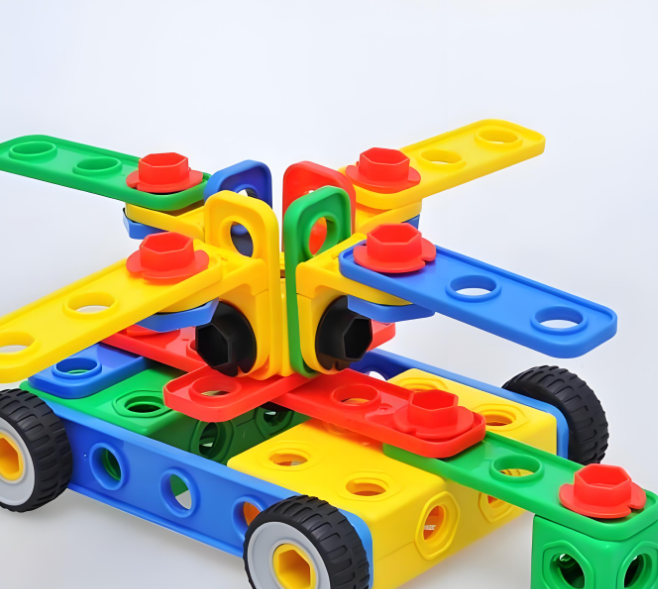
Flammability Assessment
Flammability testing determines how quickly a toy or its materials ignite and burn. Wearing apparel elements, plush fabrics, and hair-like fibers are held to strict burn rate requirements. The test involves exposing material samples to a controlled flame and measuring the rate of flame spread. Items that burn too rapidly or produce dripping molten material may fail and require reformulation or design changes.
Chemical and Migration Testing
Chemical safety analysis focuses on restricted substances that may migrate from the toy during mouthing or skin contact. Key parameters include heavy metals such as lead, cadmium, and mercury, which are measured in accessible coatings and substrates. Phthalate esters like DEP, DEHP, and DBP are quantified in plasticized parts, while formaldehyde and azo dyes are screened in textiles and painted surfaces. Samples are extracted with solvents and analyzed using techniques such as GC-MS or HPLC to verify compliance with migration limits.
Electrical and Electronic Toy Evaluation
Electrically operated toys undergo additional checks to prevent shock, overheating, and fire. Insulation resistance, dielectric strength, and accessible voltage levels are measured. Chargers, battery compartments, and wiring must prevent access to live parts, and thermal cut-offs are verified where necessary. Cord strain relief and short-circuit protection are tested under fault conditions to confirm safe operation.
Acoustic and Noise Level Testing
Toys that produce sound, including rattles, musical instruments, and electronic devices, are tested for peak sound pressure levels. A microphone array or sound level meter captures impulse and continuous noise. Excessive decibel values that could damage hearing lead to redesign to incorporate volume limiting or softer acoustic output.
How a Typical Toy Testing Program Operates
A comprehensive toy inspection program begins with design review against accepted safety criteria. Pre-production samples are submitted to a qualified laboratory for the full range of mechanical, chemical, and flammability tests. During production, inline checks and random batch sampling help maintain consistency. Final inspection before shipment includes visual examination, assembly verification, and functional testing of any mechanisms. The collected data and test reports provide a clear basis for deciding whether a product meets established safety expectations without naming any specific approving body.