Understanding Electrostatic Discharge Immunity Testing
Purpose and Scope
Electrostatic discharge immunity testing evaluates whether electronic and electrical equipment can continue to operate as intended after exposure to real-world static electricity events. The primary concern is the sudden transfer of charge that can disrupt circuits, corrupt data, or cause permanent damage. This testing is essential for consumer electronics, industrial controls, automotive components, and medical devices, confirming that products can withstand the everyday discharges encountered in normal use.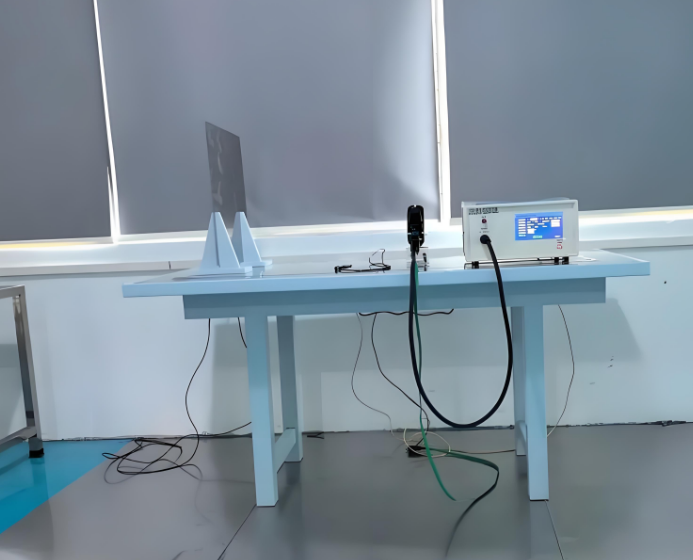
Core Discharge test methods
Contact Discharge Testing
Contact discharge is performed by bringing the tip of the ESD generator into direct physical contact with the equipment under test and then applying the voltage pulse. This method produces highly repeatable waveforms because the discharge path is well defined. Technicians target metallic surfaces, connectors, and enclosure seams. Voltage steps typically range from 2 kV to 8 kV, with both positive and negative polarities used to ensure complete immunity coverage for all accessible conductive parts.
Air Discharge Testing
Air discharge testing simulates a charged human finger approaching a device. The generator tip is moved toward the test point at a controlled speed until a spark occurs through the air. This method is used on insulating surfaces or areas where contact discharge is not practical. Test levels can reach up to 15 kV. Because arc behavior varies with humidity, approach speed, and surface geometry, this test captures realistic discharge scenarios but requires careful execution to achieve repeatability.
Indirect Discharge Application
In addition to direct discharges, indirect coupling tests replicate ESD events that affect nearby objects. Horizontal coupling plane and vertical coupling plane tests apply discharges to metal plates placed near the equipment. These checks assess radiated fields and ground bounce effects that can upset unshielded circuits without any direct contact, revealing immunity gaps that direct tests might miss.
Test Levels and Performance Criteria
The test severity is determined by the voltage level applied and the number of discharges per test point. Commonly referenced levels include 2 kV, 4 kV, 6 kV, and 8 kV for contact discharge, and 2 kV, 4 kV, 8 kV, and 15 kV for air discharge. Performance is classified into four criteria. Criterion A means the device continues to operate normally during and after the test. Criterion B allows a temporary loss of function that self-recovers without operator intervention. Criterion C indicates a loss that requires a system reset or power cycle, while Criterion D denotes permanent damage or unrecoverable failure.
Test Setup and Instrumentation
An ESD simulator, often called an ESD gun, generates the precise current waveforms required. The discharge network contains a 150 pF capacitor and a 330 ohm resistor to match the human body model characteristics. The setup includes a ground reference plane on the floor, a wooden table with a horizontal coupling plane, and defined connections to earth. The laboratory environment maintains controlled temperature and relative humidity to ensure consistent results, particularly for air discharge tests that are sensitive to atmospheric conditions.
Typical Test Sequence
A test sequence starts with a visual inspection and functional check of the equipment. Contact discharges are applied first to accessible metallic parts, followed by air discharges to insulating enclosures and gaps. At least ten single discharges are delivered at each polarity and voltage level. After each sequence, the device is monitored for performance degradation. Indirect discharges on coupling planes are performed afterward. The entire procedure is documented, and a test report summarizes the immunity performance against the chosen severity levels, providing a clear pass or fail determination based on the agreed criteria.