Understanding Diethyl Phthalate (DEP) Testing
What Is Diethyl Phthalate?
Diethyl phthalate, commonly abbreviated as DEP, is a colorless, oily liquid that belongs to the phthalate ester family. It is primarily used as a plasticizer to make plastics more flexible and as a solvent or fixative in personal care products, fragrances, and cosmetics. Due to its widespread use, DEP can migrate into the environment and consumer goods, making reliable detection a key part of quality control and safety assessment.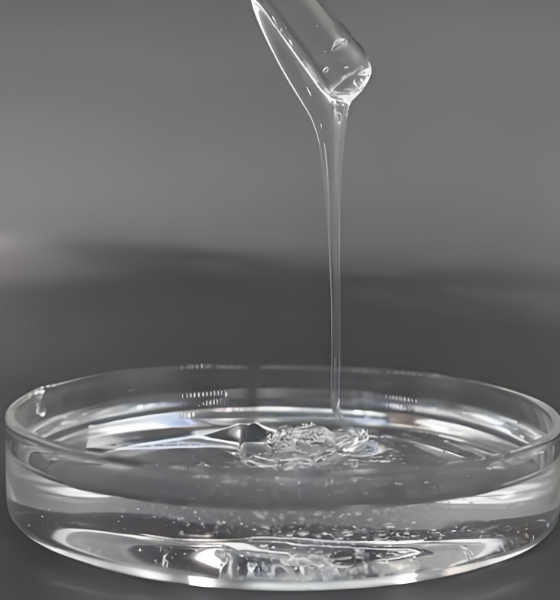
Why DEP Detection Matters
Regular testing for DEP helps identify potential exposure risks from everyday items such as toys, food packaging, and personal care items. Regulatory frameworks in many regions set specific migration limits for phthalates, and accurate detection methods are required to verify compliance. Monitoring DEP levels in water, soil, and air also supports environmental protection efforts and public health studies.
Core Detection Techniques for Diethyl Phthalate
Gas Chromatography-Mass Spectrometry (GC-MS)
GC-MS remains the gold standard for DEP analysis due to its high sensitivity and specificity. The sample is first vaporized and passed through a chromatographic column to separate DEP from other compounds. The mass spectrometer then identifies and quantifies DEP based on its unique fragmentation pattern. This technique can achieve detection limits in the parts-per-billion range and is suitable for complex matrices like cosmetics, plastics, and environmental samples.
High-Performance Liquid Chromatography (HPLC)
HPLC with UV or fluorescence detection provides an alternative for DEP quantification, especially when thermal stability is a concern. A reversed-phase C18 column is typically used with a water-acetonitrile mobile phase. While HPLC may have slightly lower sensitivity compared to GC-MS, it offers excellent reproducibility and is widely adopted for routine screening of liquid samples and extracts from solid materials.
Other Emerging Methods
In addition to chromatographic techniques, methods such as immunoassays and surface-enhanced Raman spectroscopy (SERS) are being explored for rapid on-site screening. These approaches often require less sample preparation and can deliver results in minutes, though they may need confirmation by more established techniques for regulatory purposes.
Sample Preparation for Accurate DEP Detection
Extraction Protocols
The reliability of any detection method depends heavily on how the sample is prepared. Common extraction techniques include liquid-liquid extraction for aqueous samples and Soxhlet or ultrasonic extraction for solid matrices like plastics. Solvents such as hexane, dichloromethane, or acetonitrile are chosen based on the sample type and the target analytical method.
Clean-Up and Pre-Concentration
After extraction, clean-up steps such as solid-phase extraction (SPE) or dispersive solid-phase extraction (d-SPE) are essential to remove interfering substances. Pre-concentration by evaporation or nitrogen blowing helps achieve the low detection limits required for regulatory testing, particularly when analyzing drinking water or food simulants.
Interpreting DEP Test Results
A quantitative report typically presents DEP concentration in milligrams per kilogram (mg/kg) for solid samples or micrograms per liter (µg/L) for liquids. Results are compared against established regulatory thresholds. Consistent quality control measures, including the use of blank samples, certified reference materials, and duplicate analyses, ensure that the reported values are both accurate and reproducible. Understanding the detection method’s limitations, such as potential matrix effects, allows for a more informed assessment of the data.