Toy Testing: Safety Standards and Compliance Methods
Toy testing validates mechanical safety, chemical composition, flammability resistance, electrical safety, and age-appropriate design through standardized protocols defined by ASTM F963, EN 71, ISO 8124, and regional regulations. Testing ensures toys protect children from choking hazards, toxic substances, fire risks, and other dangers while meeting regulatory requirements for global market access.
Why Toy Testing Matters
Toys play vital roles in child development but must be safe for their intended audience. Children's behavior and play patterns are unpredictable, making rigorous testing essential. Products must comply with complex regulations before import and sale in most global markets.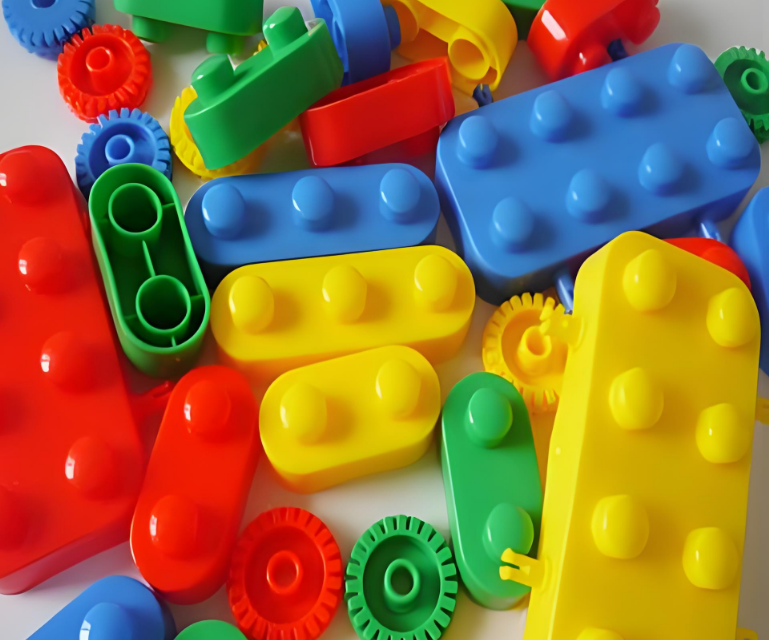
Key testing benefits:
- Prevents injuries from choking, laceration, and puncture hazards
- Ensures chemical safety for toys that may be mouthed or chewed
- Validates age-appropriate design and warnings
- Demonstrates regulatory compliance for market access
- Builds consumer confidence and brand trust
Major Toy Safety Standards
ASTM F963 (United States)
The Standard Consumer Safety Specification for Toy Safety covers all toys intended for children under 14. ASTM F963-23 incorporates requirements for:
- Acoustics and sound level limits
- Battery accessibility
- Expanding materials
- Projectiles and phthalates
- Substrate materials and surface coatings
- Tracking labels and age grading
EN 71 Series (European Union)
The EU Toy Safety Directive 2009/48/EC requires CE marking through:
- EN 71-1: Mechanical and physical properties
- EN 71-2: Flammability
- EN 71-3: Migration of certain elements
- EN 71-4: Experimental sets for chemistry
- EN 71-5: Chemical toys other than experimental sets
ISO 8124 Series (International)
- ISO 8124-1: Safety aspects related to mechanical and physical properties
- ISO 8124-2: Flammability
- ISO 8124-3: Migration of certain elements
Additional Regulations
- CPSIA: U.S. Consumer Product Safety Improvement Act
- California Proposition 65: Chemical warning requirements
- REACH: EU chemical registration and restriction
- RoHS: Restriction of hazardous substances in electrical toys
- EMC/RED: Electromagnetic compatibility for electronic toys
Mechanical and Physical Testing
Abuse Testing Categories
Impact Test: Simulates dropping from height when child drops or throws toy. Tests structural integrity and component security.
Torque Test: Mimics pulling or twisting by child. Evaluates security of attached components like wheels, eyes, and decorations.
Tension Test: Simulates child pulling components they can grab. Verifies parts remain attached under pulling forces.
Compression Test: Simulates constant force applied to toy. Assesses structural integrity under sustained pressure.
Common Mechanical Hazards
- Choking hazards: Small parts that can break off or be swallowed (primary cause of toy recalls)
- Laceration hazards: Sharp edges from broken components or manufacturing defects
- Puncture hazards: Sharp points from protruding components
- Entrapment hazards: Gaps that could trap fingers, toes, or head
- Strangulation hazards: Long strings, cords, or elastic bands
Physical Property Tests
- Sharp edge testing: Specialized probes detect hazardous edges before and after abuse
- Sharp point testing: Point testers identify hazardous projections
- Small parts testing: Small parts cylinder identifies components posing choking risk for under-3 age group
- Strength and durability: Repeated stress testing for structural integrity
- Stability testing: Tip-over resistance for ride-on toys
Chemical safety testing
Heavy Metals Testing
Surface coatings and substrate materials analyzed for:
- Lead: Limits typically 90-600 ppm depending on substrate and regulation
- Cadmium: Migration limits for accessible materials
- Mercury, arsenic, antimony: Additional heavy metal screening
- Total heavy metals: Migration testing per EN 71-3 and ASTM F963
Phthalates Testing
Plastic toys tested for phthalate plasticizers:
- DEHP, DBP, BBP: Permanent ban in toys (0.1% limit)
- DINP, DNOP, DIDP: Restricted in toys that can be mouthed
- GC-MS analysis detects phthalate concentrations
Additional Chemical Hazards
- Azo dyes: Cancer-causing dyes in textile components
- Formaldehyde: Emission from wooden toys and textiles
- Nickel release: From metal components with prolonged skin contact
- Bisphenol A: In plastic components
- CMR substances: Carcinogenic, mutagenic, reprotoxic chemicals
- Endocrine disruptors: Hormone-mimicking substances
- Organic tin compounds: In certain plastics
Flammability Testing
Conducted on textile fabrics, soft toys, plush toys, and certain other materials. Testing ensures that if a toy catches fire, the user can drop it or climb out before serious injury occurs.
Test Methods
- EN 71-2: Flammability of toys - general requirements
- ASTM F963: Flammability testing for solid materials
- 16 CFR 1500: CPSC flammability requirements
Prohibited materials: Certain highly flammable materials are banned from all toys due to greatest risk.
Electrical Safety Testing
Required for battery-powered, radio-controlled, and electrically operated toys:
- Resistance to heat and fire: Enclosure materials withstand elevated temperatures
- Short-circuit protection: Safe failure modes under fault conditions
- Insulation resistance: Adequate electrical isolation
- Dielectric strength: Withstand voltage stress
- Leakage current: Current within safe limits
- Battery accessibility: Prevents child access to batteries
- Labeling compliance: Proper warnings and instructions
Noise Testing
Toys producing sound must not exceed safe noise levels to prevent hearing damage:
- Continuous sound: Limits typically 85 dB for close-to-ear toys
- Impulse sound: Peak limits for toys producing bursts
- Measurement distance: Standardized distances per ASTM F963
- Exposure duration: Consideration of typical play patterns
Age Grading Determination
Proper age grading ensures toys match developmental abilities and identifies required warnings:
Factors Considered
- Child development stages: Cognitive, motor, and social/emotional capabilities
- Play behaviors: How children at different ages interact with toys
- Foreseeable use: Anticipated play patterns and potential misuse
- Safety standards: Age-specific requirements and test methods
- Physical characteristics: Size, weight, complexity
Guidelines Used
- CPSC Age Determination Guidelines: U.S. requirements
- EU guidance: Toy Safety Directive 2009/48/EC
- ISO 8124-8: Age determination guidelines
Microbiological Testing
Critical for toys that contact mouth or have hygiene implications:
- Pacifiers and teething toys: Must be free from harmful pathogens
- Aquatic toys: Resistance to microbial growth in wet conditions
- Plush toys: Hygiene and microbial safety
- Antimicrobial effectiveness: Verification of antimicrobial claims
Additional Testing Services
Label and Documentation Review
- Age grading labels and warnings
- Tracking labels for recall identification
- Instruction clarity and completeness
- Country of origin marking
- CE marking compliance (EU)
Packaging Testing
- Packaging safety and accessibility
- Warning label placement
- Packaging waste minimization
- Sustainability verification
Safety Assessments
- Design evaluations during development
- Risk assessments identifying potential hazards
- failure analysis of returned products
- Complaints evaluation
Laboratory Accreditation Requirements
Recognized Accreditation Bodies
- IAS: U.S. accreditation
- CNAS: China National Accreditation Service
- UKAS: United Kingdom Accreditation Service
- DAkkS: German accreditation
- COFRAC: French accreditation
- HOKLAS: Hong Kong accreditation
- NABL: India accreditation
CPSC Acceptance
Laboratories must be registered with U.S. CPSC as accredited for CPSIA third-party testing. Testing must be conducted per CPSC-accepted test methods.
EU Notified Body Status
Laboratories may hold notified body status under EU Toy Safety Directive for EC-type examination and CE certification.
Testing Program Best Practices
Pre-Production Testing
- Design evaluation during development
- Material safety screening before production
- Age grading determination
- Prototype safety assessment
Production Testing
- First article inspection
- In-process testing
- Random sampling from production lots
- Periodic retesting for quality control
Pre-Shipment Testing
- Final product verification
- Packaging and labeling compliance
- Documentation review
- Certificate issuance for regulatory clearance
Choosing a Testing Laboratory
| Capability | Requirement |
|---|---|
| Accreditation | ISO 17025 with toy-specific scope |
| Geographic coverage | Labs in manufacturing zones and transit points |
| Regulatory expertise | Knowledge of target market requirements |
| Testing scope | Comprehensive mechanical, chemical, flammability, electrical |
| Turnaround | Typical 5-10 working days for standard tests |
| Reporting | Detailed reports with clear pass/fail and remediation guidance |
Effective toy testing combines mechanical safety assessment, chemical composition analysis, flammability evaluation, and age-appropriate design verification. Partner with ISO 17025 accredited laboratories recognized by CPSC and EU authorities, follow international standards, and maintain comprehensive documentation to ensure toys are safe for children and compliant for global market access.