Gas Chromatography-Mass Spectrometry (GC-MS) is one of the most powerful hyphenated techniques in modern analytical chemistry. By interfacing a gas chromatograph with a mass spectrometer, the system first separates the components of a mixture based on their volatility and chemical affinity, then identifies and quantifies them according to their unique mass spectra.
The GC unit vaporizes a liquid sample and propels it through a capillary column coated with a stationary phase. As the analytes travel through the column at different rates, they elute at characteristic retention times. The separated compounds are then transferred into the mass spectrometer, typically via an electron ionization (EI) source, where they are ionized and fragmented. The resulting mass-to-charge (m/z) ratios are detected and compared against spectral libraries such as the NIST database, enabling confident compound identification down to trace levels.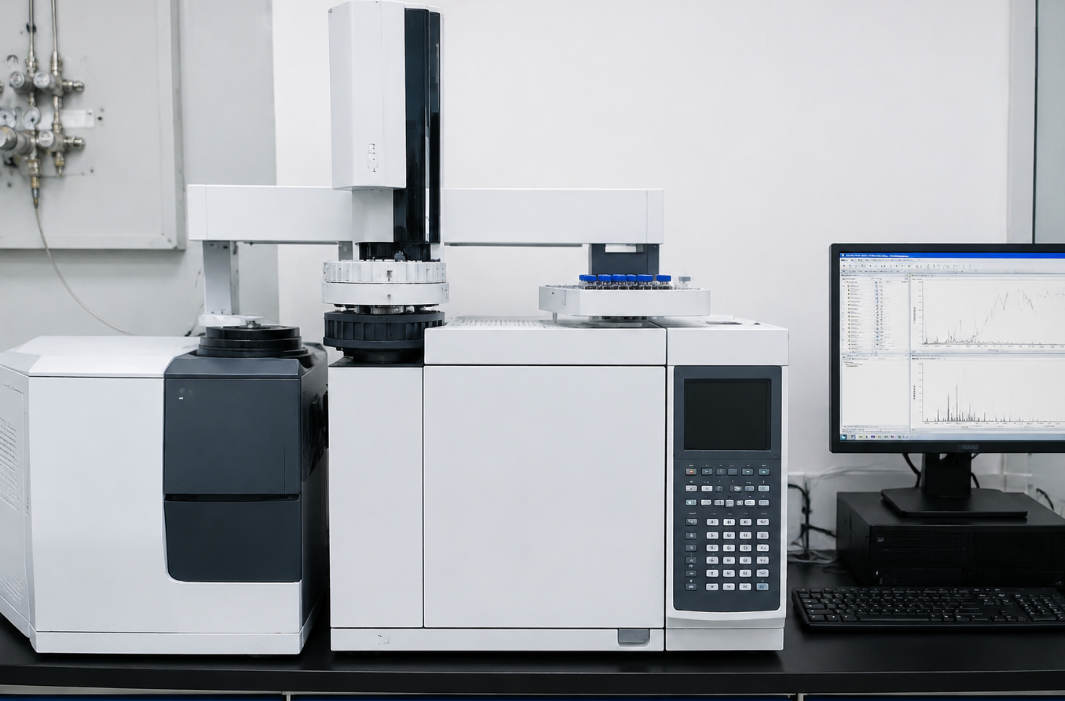
GC-MS finds extensive applications across multiple industries. In environmental monitoring, it is routinely used to detect pesticides, volatile organic compounds (VOCs), and persistent organic pollutants in water, air, and soil samples. The pharmaceutical sector relies on GC-MS for residual solvent analysis, impurity profiling, and pharmacokinetic studies. In food and flavor chemistry, it enables the detection of contaminants, adulterants, and aroma compounds. Forensic toxicology labs use GC-MS as the gold standard for confirming the presence of drugs of abuse, poisons, and metabolites in biological specimens.
At Beijing ZKGX Research Institute of Science and Technology, our GC-MS platforms are operated by experienced scientists under ISO 17025 accreditation. We offer both targeted and non-targeted analytical workflows, supporting research, quality control, and regulatory compliance. Whether you need trace-level quantification or comprehensive compound screening, our GC-MS services provide reliable, reproducible data with fast turnaround.